

Related news and updates
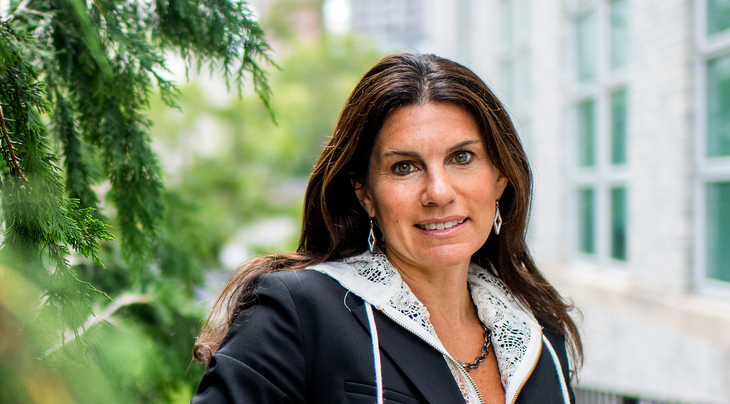
‘Quiet quitting' may be of the moment, but is it new?
Is quiet quitting real, or just “new packaging for old problems?” Northeastern's Jamie Ladge, of the D'Amore-McKim School of Business, weighs in.

Quiet Quitting: Is management or talent to blame?
Quiet quitting is all the buzz on social media. Originating from Tik Tok creator @zaidleppelin, it's made the rounds on every platform from Tik Tok to LinkedIn. We sat down with Associate Teaching Professor Curtis Odom EdD to understand the nuances of this new workplace phenomenon.

How TikTok made reading fun again
They may seem like strange bedfellows, but TikTok — thanks to the power of #BookTok — is helping books get in vogue for Generation Z.

Social media influencers must remain one step ahead of the competition, both in content and platform
With multiple social media platforms and millions of people flocking online every day, it's no surprise so many people want to become digital content creators—or even better: influencers.

In an uncertain legal landscape, why are companies offering to pay for abortion travel?
Abortion-rights activists demonstrate against the Supreme Court decision to overturn Roe v. Wade that established a constitutional right to abortion, on Capitol Hill in Washington.
Childcare Is a Business Issue
Childcare is not a family issue, it is a business issue. It affects how we work, when we work and for many, why we work. Moving forward, employer-provided child care could also influence where we work. It is up to businesses to think creatively about ways to build the childcare infrastructure we need to help working parents keep working for their families, and the economy as a whole.

Is breast milk the solution to the baby formula shortage? Unfortunately, it's not that simple
The baby formula shortage has left families scrambling to feed their children. Northeastern faculty explain why breastfeeding—or buying breast milk—isn't necessarily an easy solution. Photo by Paul Hennessy/Getty Images
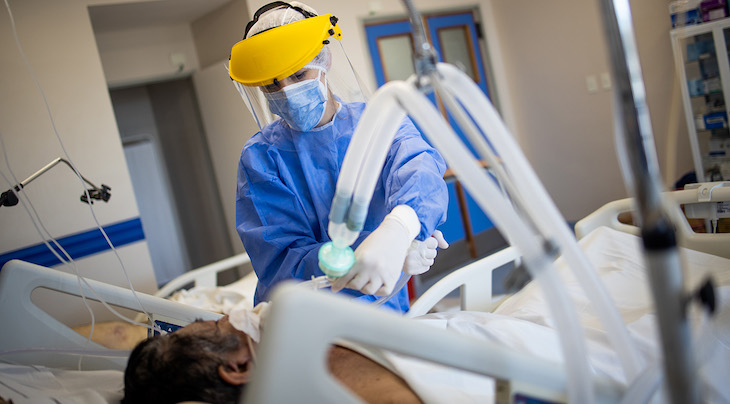
With Covid-19 infections surging, can doctors refuse treatment to unvaccinated patients?
As more health care workers share their testimony from the bedsides of the sick, growing frustration over the sheer number of unvaccinated patients taking up beds has some asking: Can doctors refuse to treat, or decline to see, patients who are unvaccinated? Photo by Tomas Cuesta/Getty Images
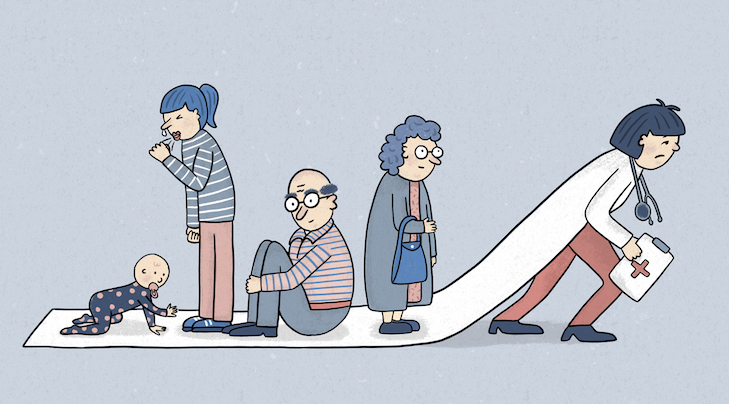
Female physicians burn out faster than their male colleagues. Here's why.
Female physicians burn out faster than their male colleagues, according to research by Tim Hoff, professor of management, healthcare systems and health policy at Northeastern. Illustration by Hannah Moore/Northeastern University