

Related news and updates

Rupert to serve as next president of the American Accounting Association
The position comes after years of excellence in scholarship and service to the preeminent group for accounting academics.
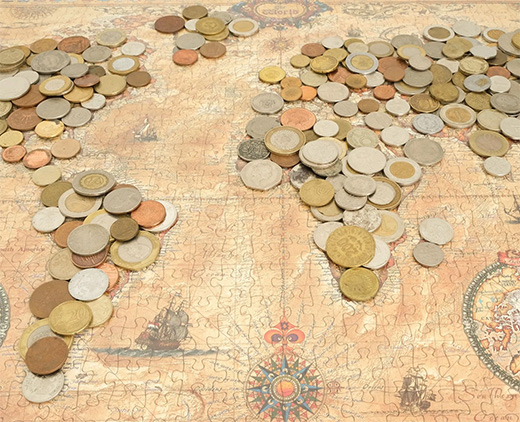
Why the same corporate tax rate doesn't raise the same revenue everywhere
New research finds that businesses respond to tax incentives in ways that vary widely depending on a country's tax system and economic structure.
A Double Husky's journey to Deloitte
“I came to Northeastern planning to study finance, but my first accounting class quickly showed me that's where I really belonged. The logical structure and satisfaction of getting a clear, definitive answer clicked with me right away.” – Luca Capeci, MS in Accounting'25

Growing as a human-focused leader
“One of the things I've appreciated most about the program is how it integrates technology into coursework. With my workplace starting to adopt AI tools, learning about these concepts in class has given me the skills and confidence to navigate technological change effectively.” – Jacqueline (Jackie) Scherer, MBA'28

Early accounting passion drives PlusOne MS in Accounting journey
“If you're serious about accounting, the PlusOne program is a game-changer. It is a strong academic and professional asset that gives you graduate-level experience during your fourth year of undergrad. It puts you ahead in the job market and helps you prepare for the CPA while gaining real-world experience.” – Justin Soriano, PlusOne MS in Accounting'26, BS in Business Administration with an Accounting Concentration'26

How a biology major found her path to audit at Deloitte
“And it's not just theory. The classes are really hands-on. In my Auditing in a Big Data Environment course, we focused on work paper documentation and how to use current tech platforms, which helped prepare me for my corporate residency. These skills are especially valuable as technology transforms audit every day.” – Lucy Ross, MS in Accounting'25

Research.com recognizes D'Amore-McKim professors for groundbreaking contributions across disciplines
D'Amore-McKim professors have been recognized in Research.com's latest rankings across several disciplines, including Business and Management. This recognition highlights their significant contributions to advancing academic knowledge and shaping real-world business practices.

Meet the MS in Accounting/MBA Class of 2026
This 53-person cohort brings a wide range of academic backgrounds—from business and economics to the arts and sciences—preparing them to lead with both depth and versatility.
Twenty D'Amore-McKim faculty listed in Stanford's top 2% of scientists database
Stanford researchers recently updated their databases of the top 2% of research citations for the sixth time. It includes career citations and citations in 2022.