

Related news and updates
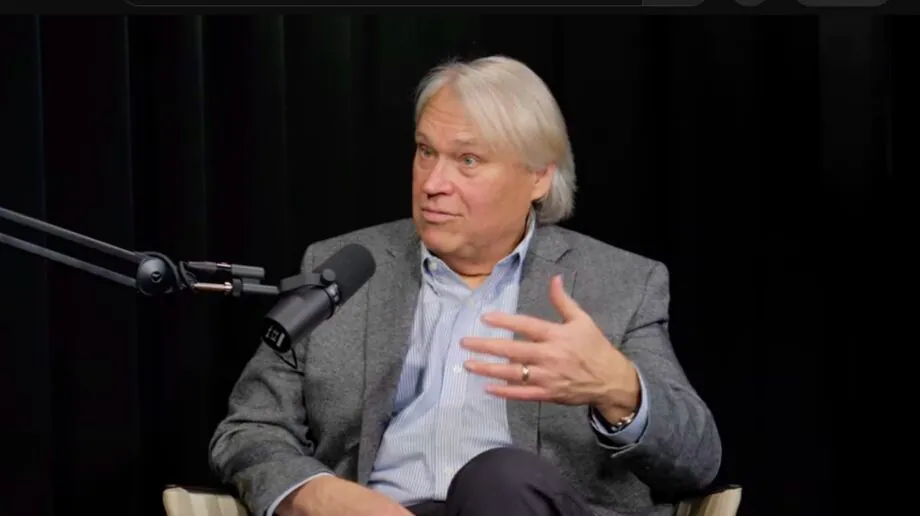
The talent advantage: Mark Huselid's four-decade quest to understand what makes organizations win
A childhood passion for motorsports sparked a lifelong pursuit of understanding what makes organizations perform at their best. Today, Distinguished Professor Mark Huselid is helping leaders rethink talent, strategy, and the future of work.

The heart of the business: Kimberly Eddleston's lifelong mission to help family enterprises thrive
For Kimberly Eddleston, family business is more than a field of study, it's part of who she is. Drawing from a lifetime of firsthand experience and decades of influential research, the Schulze Distinguished Professor of Entrepreneurship & Innovation has helped reshape how scholars and business leaders understand family enterprise.

Don't panic: how stakeholder response patterns predict retail crises and the impact of retailer reactions
Associate Dean Koen Pauwels' latest research examines why some negative retail incidents fade quickly while others escalate into crises. Analyzing 510 incidents, the study finds that patterns in stakeholder reactions, not the amount of attention an incident receives, are key to predicting financial impact.
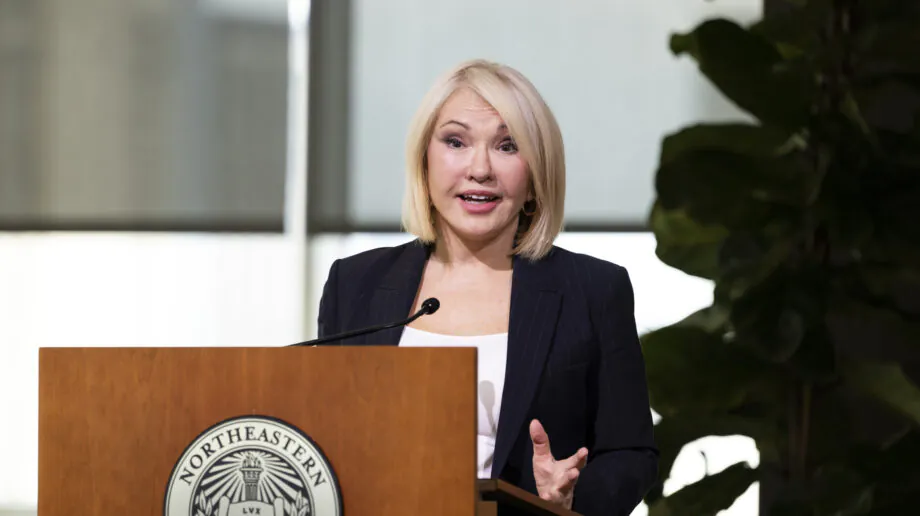
Keep showing up: Nada Sanders on curiosity, resilience, and the future of supply chains
For Nada Sanders, the most important breakthroughs have rarely come from perfect data or elegant models. They have come from friction — from the moment when theory fails, when numbers resist, and when human behavior refuses to fit neatly into equations. It is in that tension that she has built her career, not by forcing the world to match the model, but by reshaping the model to reflect the world as it is.

The customer might always be right, but apologies actually backfire in customer service
Are apologies always the best policy? New research finds that in food service, they can actually make things worse for businesses and customers.
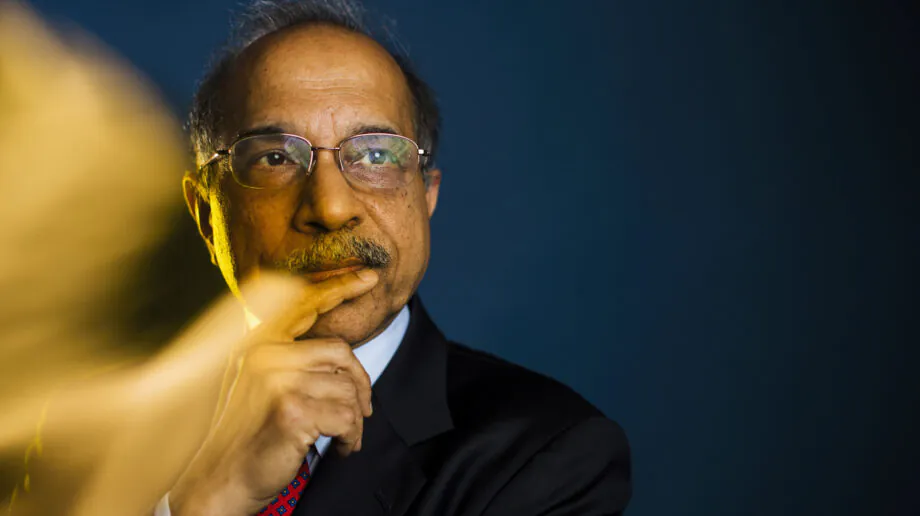
The other 7 billion: Ravi Ramamurti's global vision
For nearly five decades, Ravi Ramamurti has expanded the lens of global business — challenging institutions to recognize the power and potential of emerging markets. As a scholar, teacher, and founder of Northeastern's Center for Emerging Markets, he has turned overlooked economies into central conversations in classrooms and boardrooms alike. By shaping research, influencing policy, and preparing students to lead in a shifting global landscape, Ramamurti exemplifies what it means to be an impact maker.

Industrial banks outperform traditional lenders, new Utah research shows
New research from the University of Utah Fintech Center shows industrial banks outperform traditional banks in safety, returns, and lending to underserved markets, challenging calls for expanded FDIC regulation.

How behavioral science can improve the return on AI investments
Many AI projects fail because leaders treat adoption as a tech purchase instead of a behavioral change problem.
