Technology restrictions have become a central instrument of economic statecraft
The chip industry is increasingly central to aspects of the current administration's foreign policy.


The chip industry is increasingly central to aspects of the current administration's foreign policy.
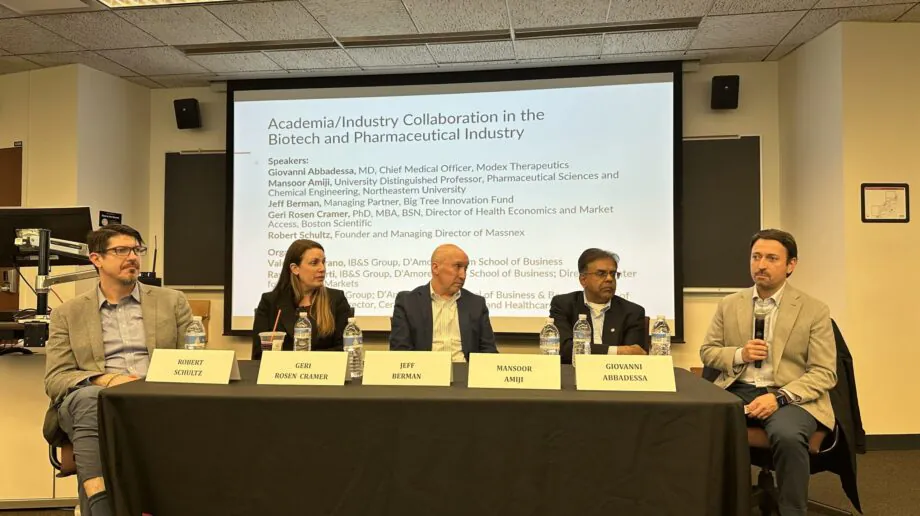
On Tuesday, April 7, D'Amore-McKim School of Business professors Valentina Marano, Ravi Ramamurti, and Gary Young convened academic and industry leaders for a panel discussion on the partnership models driving innovation across the global life-sciences ecosystem.
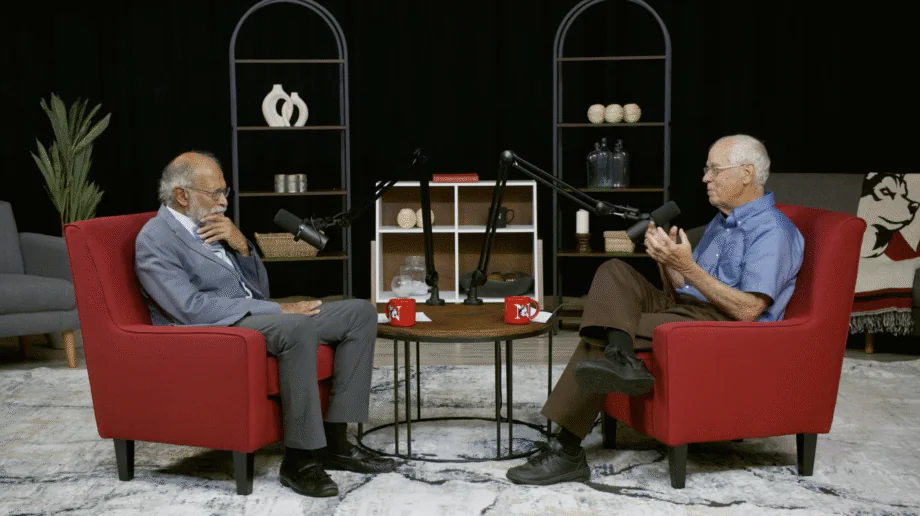
Most executives admit they leave money on the table. Edward Wertheim has spent decades teaching them why.

Debates on corporate taxation hinge crucially on how firms respond to changing tax incentives. This column uses administrative tax data from 16 countries and a unified empirical framework to estimate corporate taxable income elasticities. It shows that the responsiveness of corporate taxable income varies widely across economies, and there are large differences in efficiency costs of corporate taxation as well. The differences are linked to tax system design, firm characteristics, and economic fundamentals. The results imply that identical tax reforms can produce very different revenue and efficiency outcomes.

The position comes after years of excellence in scholarship and service to the preeminent group for accounting academics.

Bhatia will be joining Morgan Stanley as an investment banker after graduation.

Inspired by a D'Amore-McKim professor, Asprelli started a non-profit to donate beauty products to women in need.

Fossil fuel companies want you to think they're leaders in renewables — researchers say their communication strategy suggests otherwise.

Recent market fluctuations beg questions about whether the market is entering another cycle of volatility driven by geopolitical shocks.
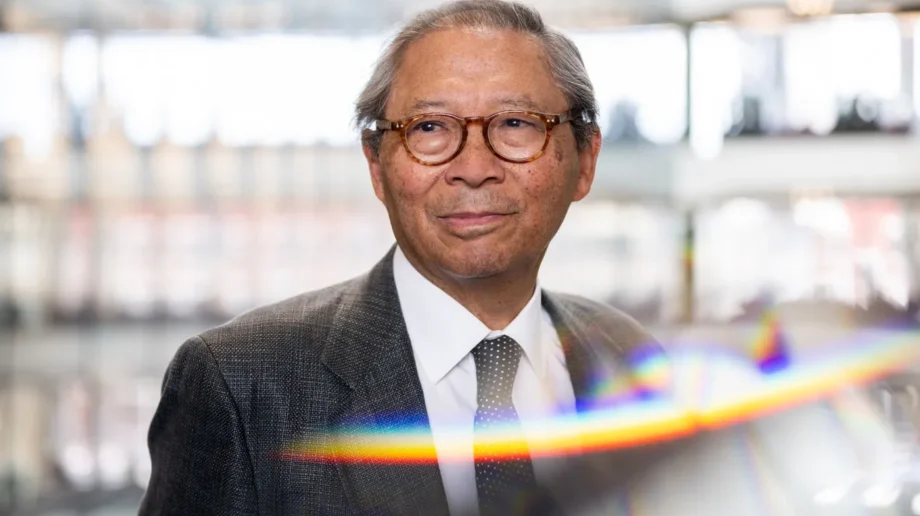
The order isn't of immediate concern, but there could be long-term consequences, since routers used in the U.S. are primarily foreign-made, expert say.
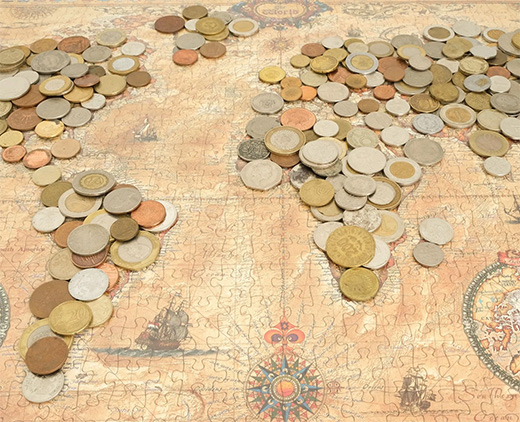
New research finds that businesses respond to tax incentives in ways that vary widely depending on a country's tax system and economic structure.

“What I've learned is that pursuing my master's degree and competing as a D1 track and field athlete have made me more organized, resilient, and intentional. Doing one or the other wouldn't challenge me in the same way. Balancing both forces me to level up.” – Ryan Slaney, MS in Finance'26