
News
Showing items tagged with
50 News Items
-

-

An MBA journey advancing ICU care through AI
“The AI Strategic Hub research practicum gave me the opportunity to help build a dataset that Sanara Health can continue to use as it develops its AI solution, while showing me the real-world impact AI can have in healthcare,”– Yanina Shavialenka, Full-Time MBA '27
-

Can't cheat this case study — it's powered by AI
An AI-powered tool turns case studies into live interviews with fictional executives — and faculty say it's changing how students learn to think on their feet.
-

Bangalore to Boston: A global consulting journey
“AI was integrated throughout many of my courses, not just as a tool but as part of how we think about solving business problems. We learned how to use AI to enhance analysis, presentations, and even creative work like content and visuals. It also helped me become more comfortable working with data and turning it into insights for decision-making.” – Mouna Dhananjaya, MS in Management‘25
-

D'Amore-McKim introduces AI MBA designed for the future of business leadership
Leaders today are expected to understand data, work alongside intelligent systems, and guide organizations through constant change. D'Amore-McKim designed its new AI MBA to meet that reality head-on, combining rigorous quantitative study with leadership development grounded in Northeastern's long-standing commitment to experiential learning.
-

Which market will dominate the semiconductor industry in the next decade?
LSE Business ReviewMark Esposito argues that the 2030s will not be won using export controls but by whoever is the most productive.
-
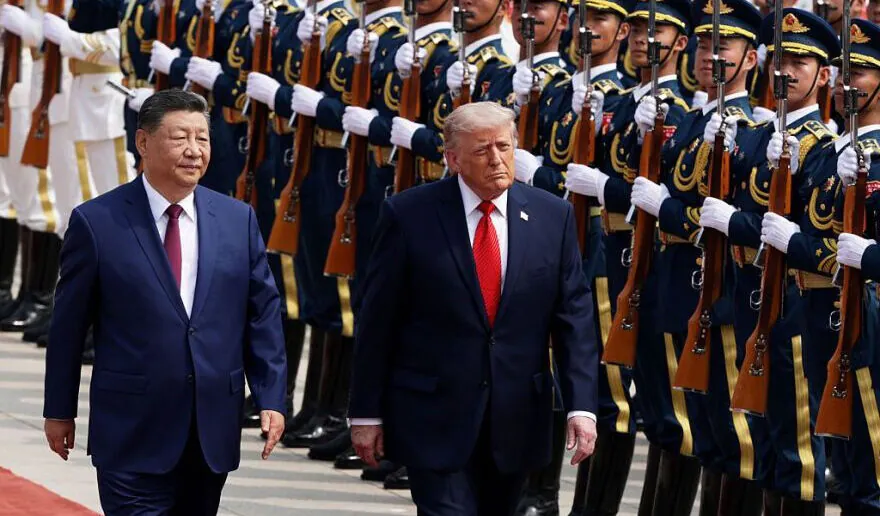
When Guardrails Become the Stakes: AI Governance and the Beijing Summit
The Institute For Peace & DiplomacyThe two governments most capable of setting norms for frontier AI development recognize that the absence of any dialogue carries its own risks.
-

Retail Media Networks Evolve as AI Agents Shop
PYMNTSChris Selland says AI purchasing may change the influence of sponsored placement and visual merchandising.
-

AI can help tackle corruption in Europe – but only if politicians let it do its job
LSE European PoliticsAI systems are now being used in European procurement processes to tackle corruption.
-

Europe's New War on Corruption: Can AI Succeed Where Politicians Failed?
eureporterMark Esposito says Europe is a leader in using artificial intelligence to combat public-sector corruption.
-

AI Fatigue: The Hidden Challenge in the Race for AI Adoption
European Business ReviewPerhaps it's unsurprising that even AI enthusiasts have begun to experience a certain weariness with it all.
-

Get ready to pay more for ChatGPT
The Boston GlobeAI is expensive. Consumers must eventually pay the price.