Skip to Content
Primary menu
☰
Explore D'Amore-McKim
About
Introduction
Experience-powered learning
Key statistics & rankings
Leadership
Dean's message
Campus life
Student stories
Connect
Find people
Offices & locations
News
Events
Hire our students
Make a gift
Become a Husky
Start your application
Visit the school
Request more information
Attend admissions events
Learn more
Programs
Graduate
MBA
Master's
Graduate certificates
Executive education
Undergraduate
BS in Business Administration
BS in International Business
Other majors
Minors
Admissions
Start your application
Request more information
More admissions information
Research
Academic groups
Finance
International Business & Strategy
Management & Organizational Development
Accounting
Marketing
Entrepreneurship & Innovation
Supply Chain & Information Management
Centers & initiatives
Business Sustainability Initiative
Center for Emerging Markets
Center for Entrepreneurship Education
Center for Health Policy & Healthcare Research
Center for Workforce Analytics
D'Amore-McKim AI Strategic Hub
Connect
Research collaborations
Find faculty by expertise
Faculty news
Related events
Information for
Current students
Advising
Undergraduate career development
Graduate Career Center
Financial services
Clubs & organizations
Experiential learning
Academic calendars
Course catalogs
Graduate student handbook
Undergraduate student handbook
More resources
Faculty & staff
Intranet (login required)
Employee directory
Corporate Partnership Program
Human Resources
ITS support
Instructional Design support
Office of the Provost
Ombuds office
Events
News
Wider community
Corporate partners
Hire our students
Alumni relations
Double Husky scholarships
Alumni news
Giving
Search
Search
Search
Close
News
Please enter at least 3 characters to search.
Search
Apply filters
Close filters
By Topics
Accounting
AI
Alumni
Analytics
Awards & Recognition
Business Administration
Careers
Community & Belonging
Computer Science
Corporate Partners
D'Amore-McKim 100
Dean's Corner
Design & Communications
Entrepreneurship
Faculty
Faculty Corner
Family Business
Finance
Healthcare
Innovation
International Business
Law & Criminology
Life Sciences
Management
Marketing
Research
Reverse Innovation
Strategy
Students
Supply Chain
Sustainability
Teaching
Thought Leadership
By audience
Academic Peers
Admitted Graduate Students
Alumni
Corporate and Executive Learners
Corporate Partners
Current Students
Faculty
Future Graduate Students
Future Students
Future Undergraduates
Graduate Students
Staff
Undergraduate Students
By group
Accounting Academic Group
Bloomberg Business Lab
Business Sustainability Initiative
Center for Emerging Markets
Center for Entrepreneurial Education
Center for Family Business
Center for Health Policy and Healthcare Research
Center for Workforce Analytics
Communications Team
Cooperative Education
Dean's Office
Development
DMSB AI Strategic Hub
E&I Academic Group
Executive Education
Finance Academic Group
Graduate Career Center
Graduate Programs
Graduate School of Professional Accounting
IBS Academic Group
Instructional Design
Marketing Academic Group
MOD Academic Group
Office of Student Engagement
SCIM Academic Group
Social Enterprise Institute
Undergraduate Programs
By tag
360 Huntington Fund
Academy of Management
advancement
afghanistan
African Health Care
AI strategic hub
airlines
alumni
announcement
artificial intelligence
athlete
athletics
aviation
Awards
Belgium
bitcoin
Blockchain
Bloomberg
book
boston
Boston Stock Exchange
BS in Finance and Fintech
BS in International Business
BS in Psychology and Health Science
child care
Chinese Management
Class of 2021
Class of 2022
climate change
co-op
collaboration
Commencement
community
community impact initiative
community impact initiative employers
company split
consumer psychology
corporate acquisition
Corporate Residency
Corporate Residency Employer
covid19
crypto
cryptocurrency
Cultural agility
CXO shadowing
damoremckim100
dean
development
dialogue of civiization
dogecoin
double husky
East Boston Neighborhood Health Center
ecommerce
Ecuador
employer testimonials
employers
Entrepreneurship
ether
event
Experience magazine
experiential learning
experts
faculty
Family Business
finance
food
food system
foreign direct investment
Full-Time MBA
future of work
gamestop
Giving Day
givingday
global
Global Field Study
grad co-op
grad-co-op
graduate
graduate career center
Graduate Certificate
Graduate Certificate in Business Administration
Graduate Instagram Takeovers
Graduate programs
graduation
Hall of Fame
Harold D. Hodgkinson Award
Health Care
Healthcare
healthcare innovation
IDEA
India
Innovation
Insights
Insights @ CEM
International Business
Internet
Josh Belinsky
Kenya
Leadership
management
market demand
Marketing
master's in international management
mba
military
Mosaic
ms in accounting
MS in Accounting/MBA
MS in Accounting/MBA program
ms in business analytics
MS in finance
MS in International Business
MS in Management
MS in Quantitative Finance
MS international management
msa
msa/mba
msba
MSF
MSF/MBA
MSQF
Multinationals
music
NGN
NJECC
NU Entrepreneurs Club
NUCEE
NYC Executive Leadership Council
Operations
OSEAI
outdoors
Paris
Part-time
part-time co-op
Part-Time MBA
partnerships
plusone
PlusOne MS in Finance
PlusOne MS in International Management
post-pandemic
pride
primary care
productivity
reddit
religion
research
resiliency
reverse innovation
RISE
seniors
shecession
Slate
social impact
social media
sports
staff
stock market
student athlete
students
Sub-Saharan Africa
Summer Bridge Scholars
Super Bowl
Supply Chain
supply chain management
Supply chains
Sustainability
taylor wift
tech
thought leadership
Toyota
twitter
undergrad
undergraduate
Undergraduate Instagram Takeovers
undergraduate students
United Nations
venture
veterans day
WISE
Women at D'Amore-McKim
Women in Finance
Women Who Empower
workplace
Apply filters
Cancel
Reset filters
1656 news items
September 11, 2026
An engineer's pivot to accounting and a career at PwC
Students
September 10, 2026
Developing investment leadership in the 360 Huntington Fund
Students
September 10, 2026
From Double Husky to accounting professional
Students
September 4, 2026
From economics to accounting: Launching a career at Deloitte
Students
September 2, 2026
MBA builds marketing skills for a future entrepreneur
Students
August 14, 2026
Broadening perspective through global experiences
Students
August 13, 2026
Kate Ashley makes the complex feel possible
Analytics
August 11, 2026
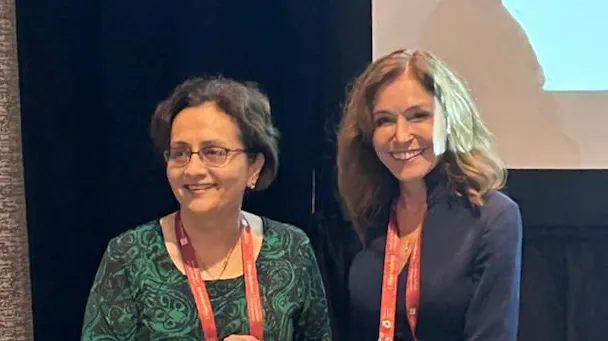
AOM recognizes Caligiuri with Outstanding Educator Award
Uncategorized
August 7, 2026
Research: How Remote Work Is Narrowing Early-Career Opportunities
Harvard Business Review
August 6, 2026
The CDC has a new leader. What should her game plan be?
NGN
August 5, 2026
Lima, Boston, Athens and now Dubai. See this grad's journey to a career in business
NGN
August 3, 2026
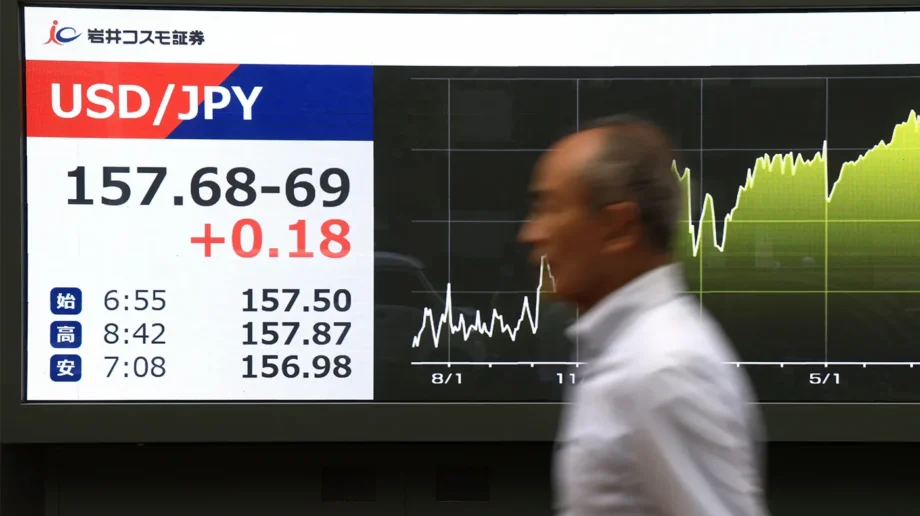
US-Japan joint intervention in the yen may have worked — for now, experts say
NGN
1
2
3
…
138
Next Page
Notifications