NGN

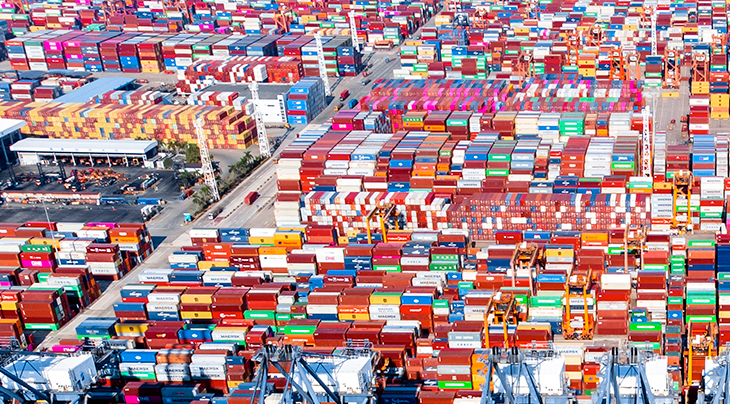
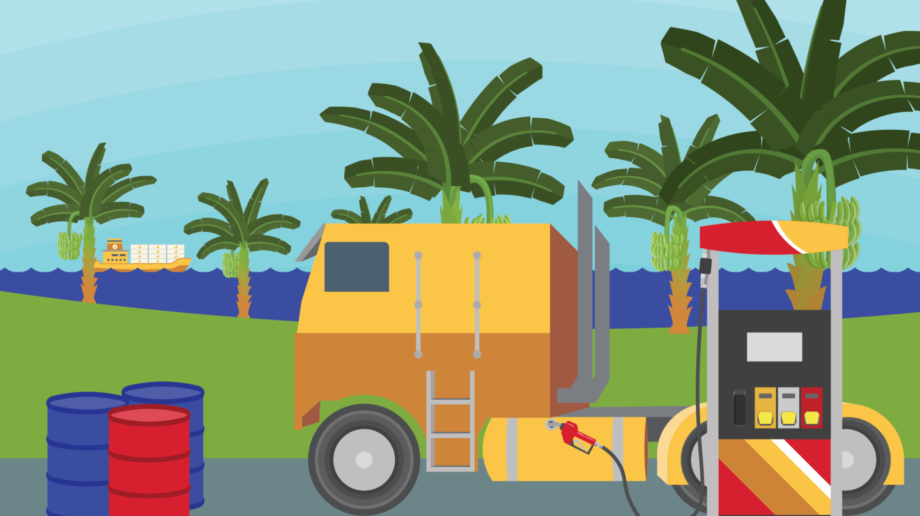
Surging oil and gas prices will spill over into the supply chains for just about everything that has to be carted around the world, says Nada Sanders, university distinguished professor of supply-chain management at Northeastern. In the case of bananas—which have a “very long” footprint—the story is a complicated one.
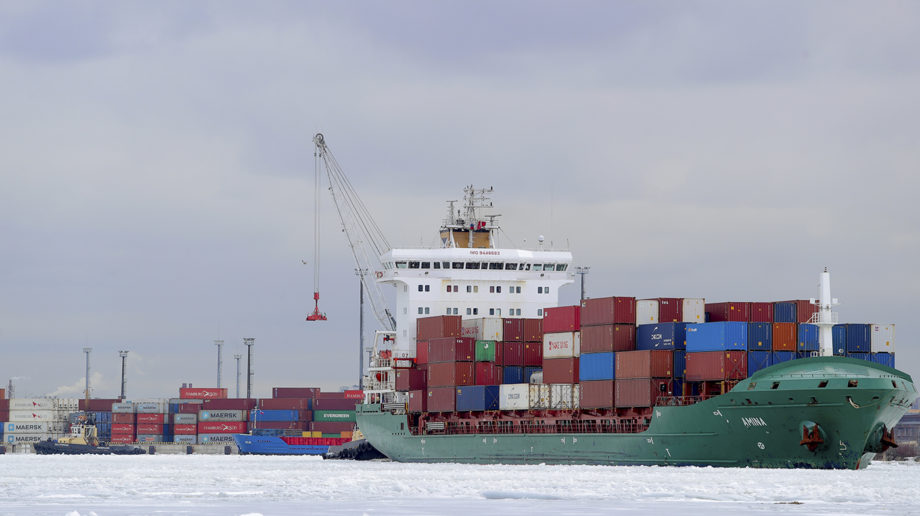
As the Russian invasion of Ukraine extends into its fourth week, its effect on global supply chains—already beleaguered by the COVID-19 pandemic—is only just beginning. “This is going to have a significant impact,” says Nada Sanders, distinguished professor of supply-chain management at Northeastern. “I'm extremely concerned.”

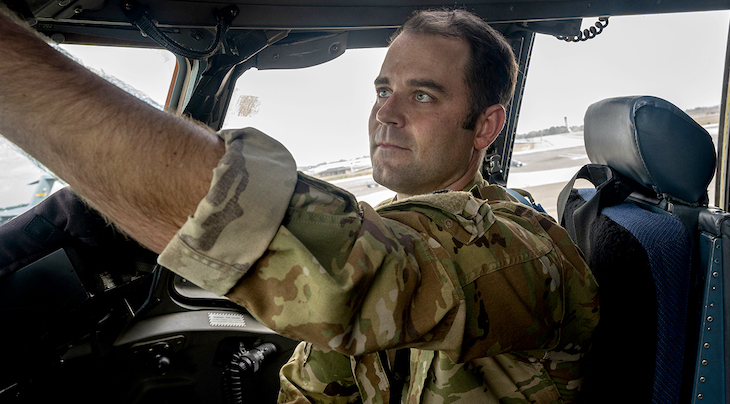
Brad States is pursuing an MBA while holding down a full-time job as a C-17 pilot with the U.S. Air Force. He estimates he flew almost 1,400 refugees out of Afghanistan after the Taliban seized control. Courtesy photo

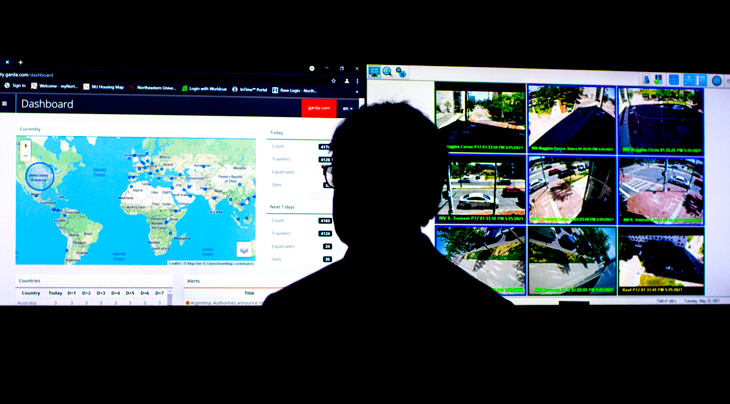
Moscow's famed cyber prowess may not be as sophisticated as people believe, say Northeastern experts. And, Russia may not have the appetite to launch a digital war on top of a traditional one with tanks and bombs. “They don't want a war on two fronts if they don't have to,” says global strategy professor Luis Dau.

Spencer Fung, who runs a Hong Kong-based supply-chain manager, spoke to Northeastern students about the future of the global supply chain as businesses contend with a host of disruptions—from the continued rise of e-commerce to the COVID-19 pandemic.

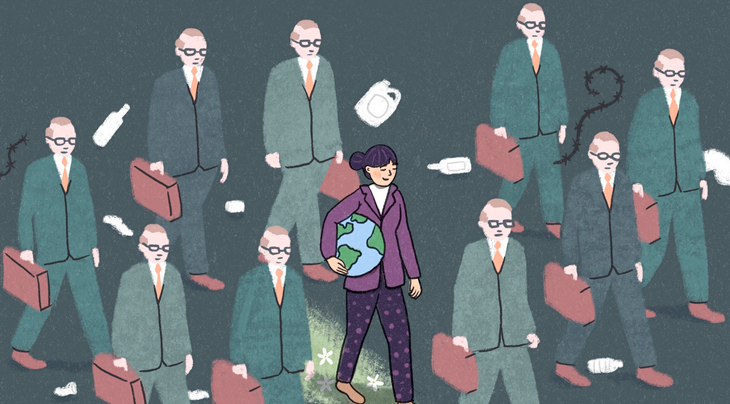
Global corporations seeking to reduce their carbon footprint and support social-justice programs should place women on their boards of directors to better implement those changes, according to recent research by a Northeastern international business associate professor.

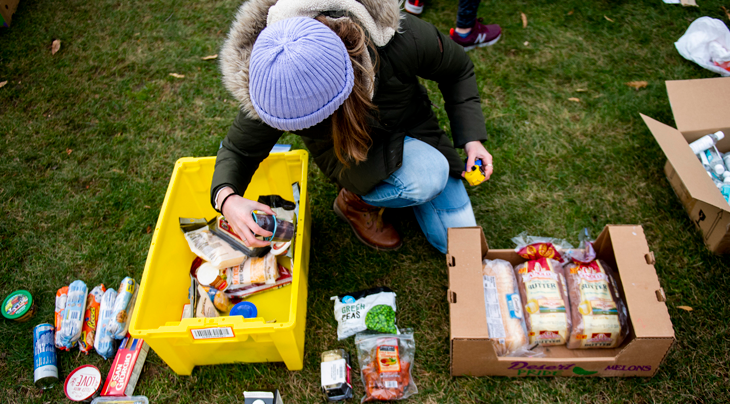
Supermarkets and food banks complement one another in the U.S. food supply chain, a Northeastern professor studying food waste says. By donating less-than-perfect fruits and vegetables to food banks, supermarkets replenish their shelves with higher-priced, higher-quality goods, thus boosting profits.

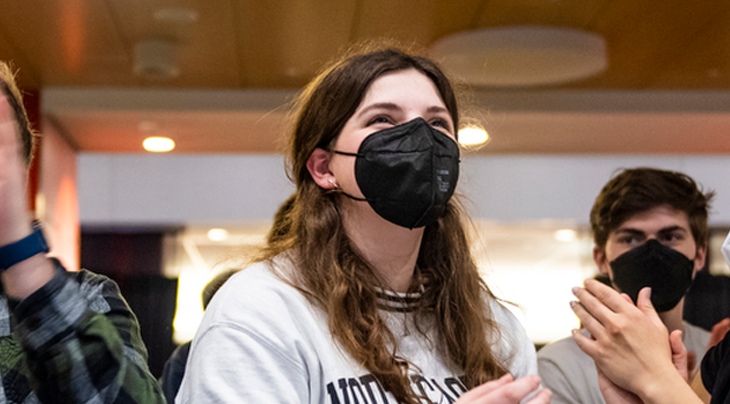
Feltner outplayed 33 other college students and to make it to the Jeopardy! National College Championship finals—and, because the episodes are filmed in advance, Feltner got to enjoy her final run with friends and family at a watch-party on the Boston campus Tuesday night.

Northeastern student Elizabeth Feltner has a chance at winning $250,000 after a tense Friday night tie-breaker during the “Jeopardy!” National College Championships. Feltner beat more than 30 other college students to advance to the final game on Tuesday at 8 p.m.

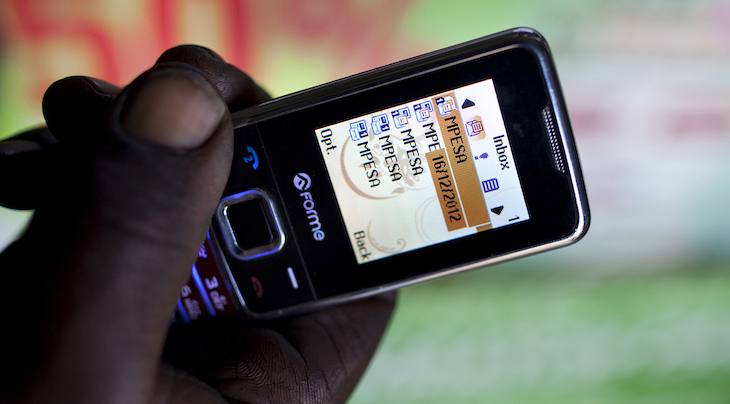
16 December 2012 – Nairobi, Kenya – Customers at an M-Pesa service outlet in Gatina slum, Nairobi. M-Pesa is a mobile-phone based money transfer and micro-financing service for Safaricom and Vodacom, the largest mobile network operator in Kenya and Tanzania. Currently the most developed mobile payment system in the developing world, M-Pesa allows users with a national ID card or passport to deposit, withdraw, and transfer money easily with a mobile device. Photo Credit: Benedicte Desrus/Sipa USA