Blen Yohannes is a Spring 2025 recipient of the Srinivasan Family Awards for Projects in Emerging Markets, an initiative run by the Center for Emerging Markets at Northeastern University to support student-led projects addressing critical challenges in emerging economies across the globe.
Ethiopia has some of the worst maternal death rates in the world, yet it is often recognized as a model country for maternal health in low-resource settings. For Blen Yohannes, a fourth-year Health Sciences major at Northeastern University, this paradox presented a captivating window into the realities of global health by spending the summer interning at Ethiopia's Ministry of Health under the Maternal Health Executive Team, with support from a Srinivasan Family Award at the Center for Emerging Markets.
Blen's passion for global health can be deeply attributed to her Ethiopian-American background and upbringing. Family trips and vacations to Addis Ababa, the capital of Ethiopia, would often be punctuated with witnessing bizarre sicknesses and maladies – initially sparking a sense of pity, but now injustice. “You think you can imagine what it means to be poor, but you can't begin to grasp the reality and helplessness until you're looking at abject poverty right in the face. In this case, the faces of countless mothers,” Blen reflected.
Aside from her cultural background, Blen's experience unfolded at a pivotal time. Ethiopia, the largest recipient of USAID in Africa, is navigating widening funding gaps with international aid pauses. For Blen, this context underscored the urgency of strengthening maternal health systems and highlighted the importance of sustainable solutions now more than ever.
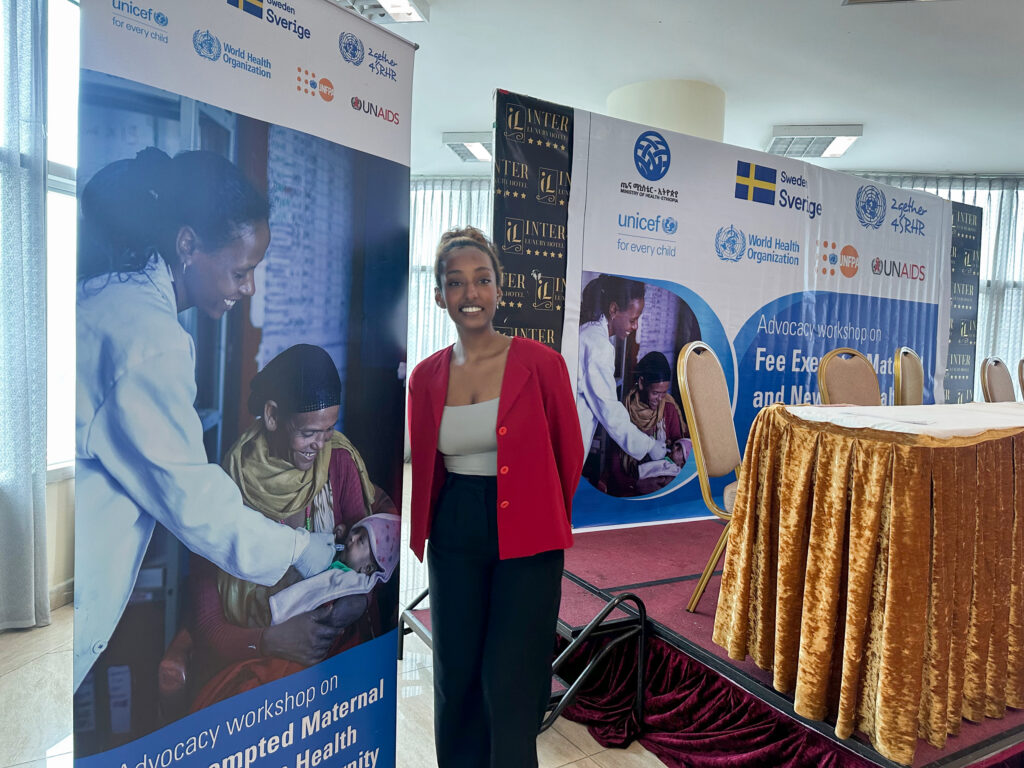
Much of Blen's time interning at the Ministry of Health involved sitting in on partner meetings, attending advocacy workshops on initiatives such as Fee Removal for Maternal Waiting Homes, and participating in roundtable discussions with key stakeholders – from donor organizations like the Gates Foundation to regional health executives and frontline workers. She also joined the Ministry's research team on visits to public hospitals, conducting confidential inquiries into maternal deaths as part of Ethiopia's ongoing Maternal Death Surveillance and Response (MDSR) program.
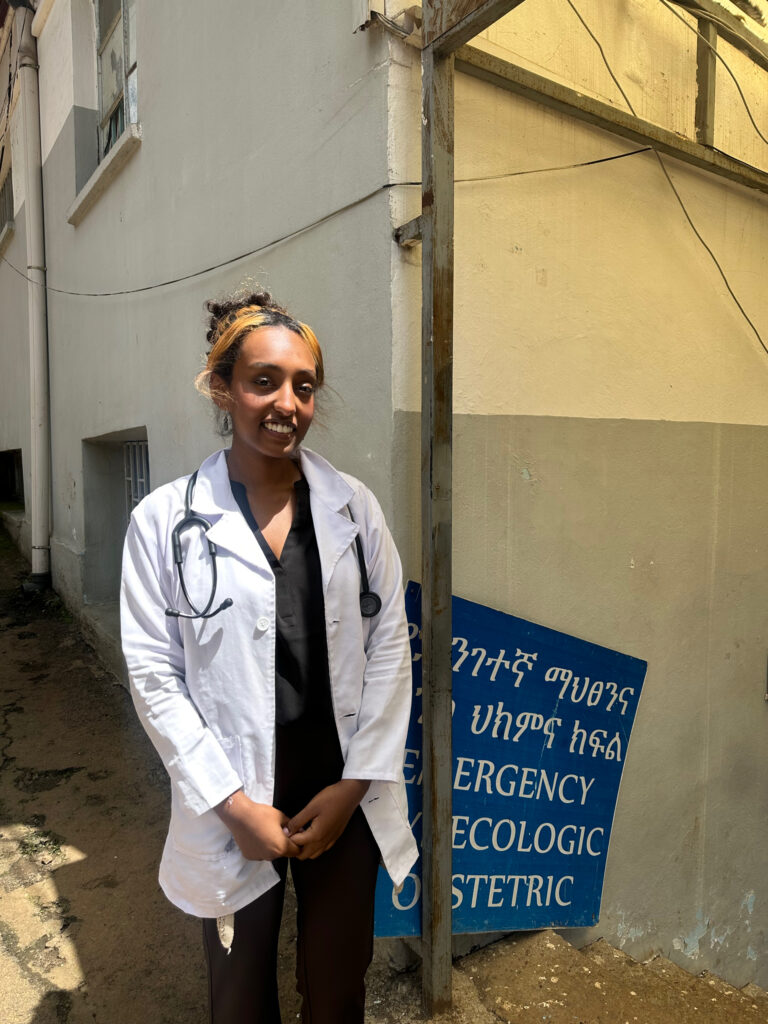
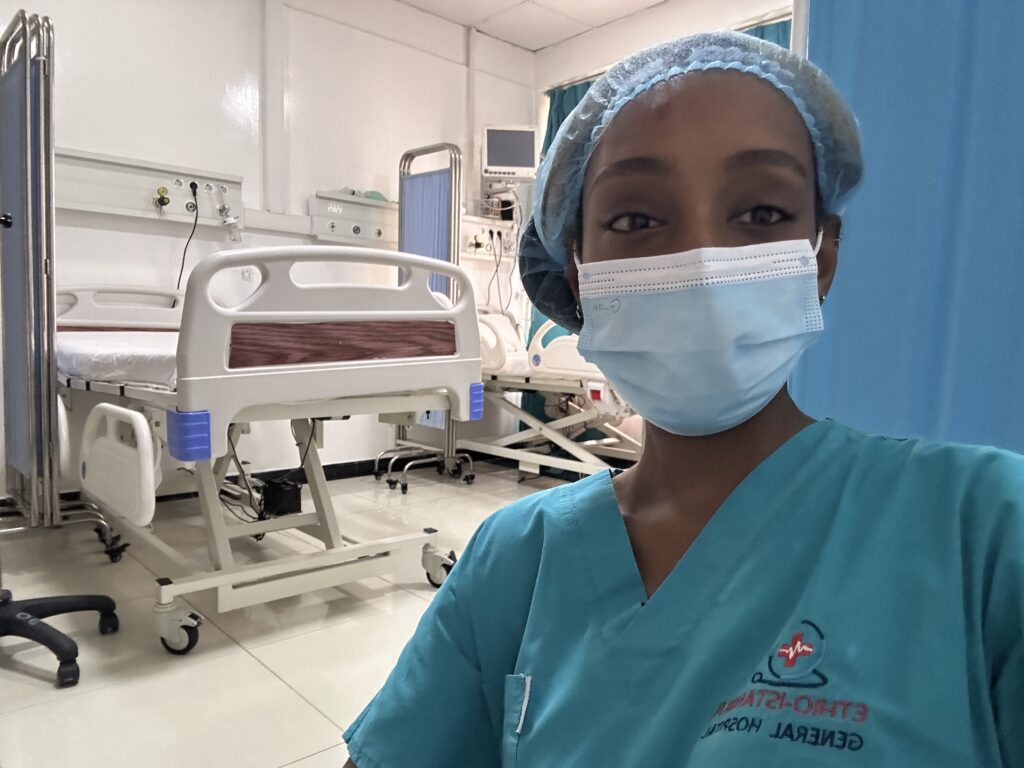
Outside of her work with the Ministry, Blen spent much of the summer independently shadowing physicians in both public and private hospitals. Moving between these settings gave her the rare perspective of comparing health systems through both an American and an Ethiopian lens. It also allowed her to connect more deeply with clinicians and patients while critically analyzing the systemic differences she observed.
Some of Blen's most impactful lessons came from conversations. Over the summer, Blen conducted interviews with ministry staff, representatives from donor organizations, experts in health financing, and frontline workers themselves. By moving between policy meetings, hospital wards, and interviews with stakeholders across the health sector, Blen gained a rare top-down and bottom-up perspective of maternal health.
Blen's experience, made possible by a Srinivasan Family Award through the Center for Emerging Markets, has further solidified her aspiration to work at the intersection of medicine, anthropology, and public health – bridging clinical practice with systemic change. Looking forward, Blen hopes to continue working in maternal health clinical settings in Ethiopia and other low-resource countries. Her next steps include continuing maternal health research during her final year at Northeastern and seeking out opportunities to engage in global health policy work after graduation, with the long-term goal of integrating these perspectives into a future career in medicine.