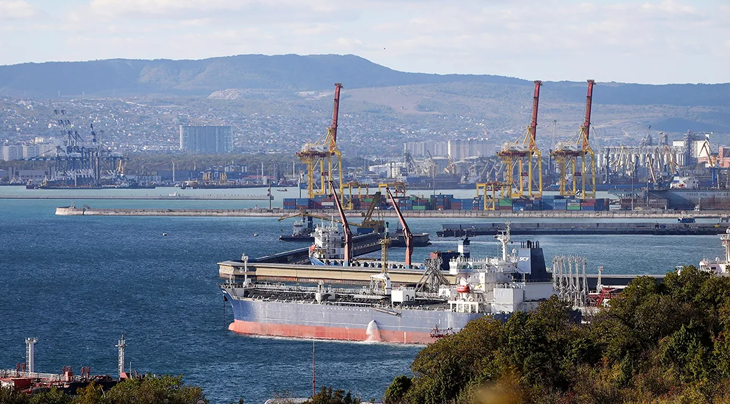
What is the Strait of Hormuz, and why does it matter?
Experts on supply chains, geopolitics and the Middle East explain why the Strait of Hormuz is dominating headlines.
Are apologies always the best policy? New research finds that in food service, they can actually make things worse for businesses and customers.
AI data centers are largely to blame for the RAM shortage, experts explain.
For nearly five decades, Ravi Ramamurti has expanded the lens of global business — challenging institutions to recognize the power and potential of emerging markets. As a scholar, teacher, and founder of Northeastern's Center for Emerging Markets, he has turned overlooked economies into central conversations in classrooms and boardrooms alike. By shaping research, influencing policy, and preparing students to lead in a shifting global landscape, Ramamurti exemplifies what it means to be an impact maker.
Nine D'Amore-McKim students were recognized for excellence in the field of supply chain by faculty and judges.
The apocalypse in Apple TV's “Pluribus” comes with some benefits: The world's supply chains are running more smoothly under an alien hive mind. But efficiency comes with a cost, a Northeastern supply chain expert said.
New research from the University of Utah Fintech Center shows industrial banks outperform traditional banks in safety, returns, and lending to underserved markets, challenging calls for expanded FDIC regulation.
Many AI projects fail because leaders treat adoption as a tech purchase instead of a behavioral change problem.
Faculty, staff, corporate partners, and alumni gathered for an engaging and successful afternoon of learning and networking. Congratulations to the top pitchers selected by our 16 esteemed judges: Kwong Chan, Curtis Odom, Jen Guillemin, and Michelle Zaaf.